Whether you’re embarking on a once in a lifetime expedition, gearing up for a weekend backpacking adventure, or heading out on an overnight hiking excursion with mates, it’s essential to have the right equipment for your trip – it’ll make your experience safer and much more enjoyable.
And that’s exactly where a good expedition checklist comes in.
Having everything written down means you’re less likely to realise you’d forgotten a pair of dry socks by the time you hit the road and, most importantly, it keeps the last-minute packing panic at bay.
To help you get organised, we’ve put together a checklist covering all the trekking essentials, from camping essentials to waterproof clothing. Check it out below.
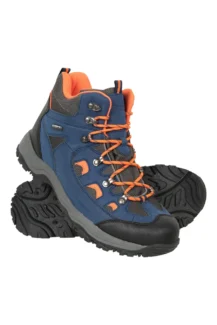
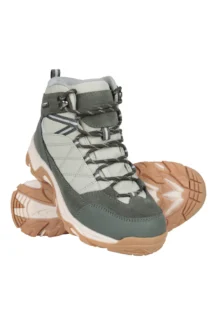
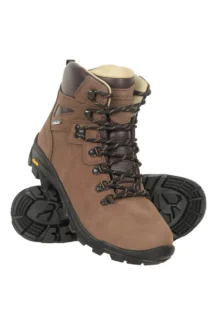
A pair of good walking boots are a non-negotiable. They keep your feet dry and provide support when walking on rough or uneven terrain. Be sure to break your hiking boots in before your trip!
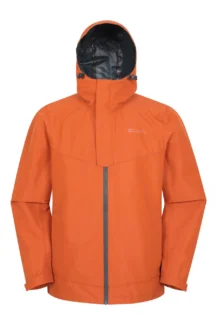
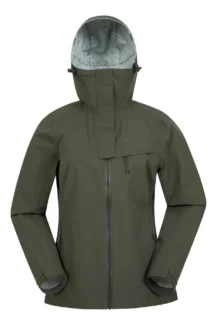
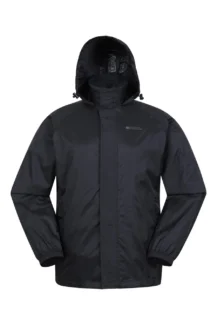
The British weather is unpredictable, most of us know it all too well. Conditions can shift fast on an expedition, and a decent waterproof jacket will certainly keep you protected from rain and wind.
Read our full waterproof jacket guide to find out what jacket best suits your needs.
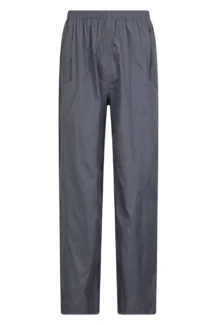
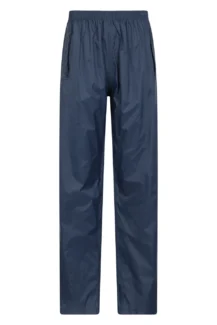
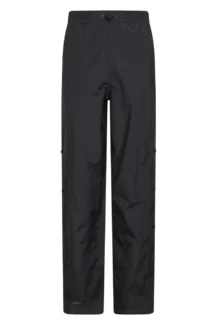
They’re easy to overlook, but definitely worth their place in the rucksack. Waterproof trousers are a useful piece of clothing, especially if you’re walking through wet grass or get caught in a downpour. They provide an extra layer of protection, keeping your legs dry and warm.
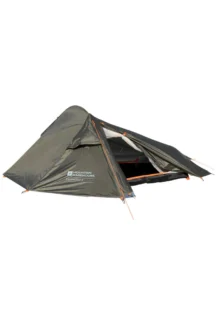
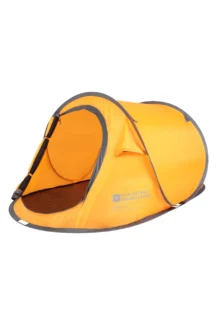
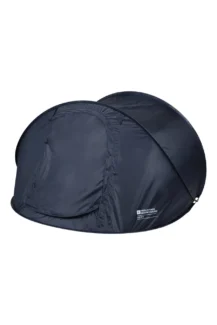
For any multiday adventure that includes camping, a reliable, portable tent is a given.
It provides a safe shelter from unpredictable weather and gives you a safe, comfortable place to rest after a day on the trail.
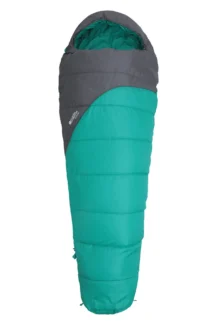
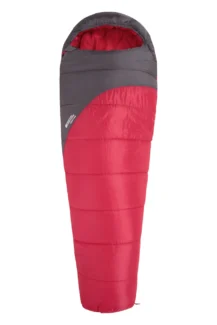
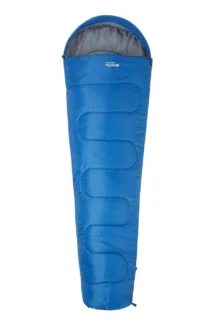
A sleeping bag will keep you warm and comfortable through the night.
The type of sleeping bag you need will depend on the time of year – an all season sleeping bag will keep you cosey in colder months, whilst a 2 season sleeping bag will make sure you don’t get too toasty in peak summer.
Read our sleeping bag guide here to find out the best option for you!
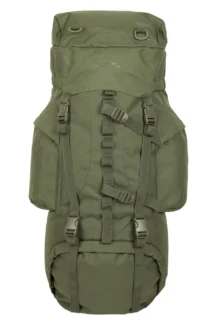
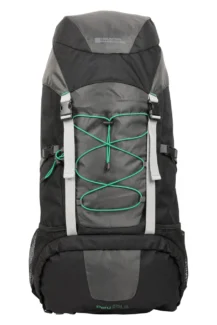
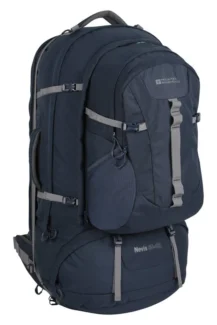
Choosing the right backpack can make or break an expedition before you’ve even set off. It’s essentially your mobile base camp – it carries all the essentials, so choosing the right one for you is crucial. For longer trips or expeditions, we’d recommend to look for something in the 50-65 litre range.
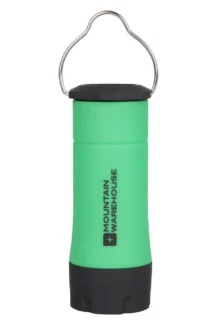
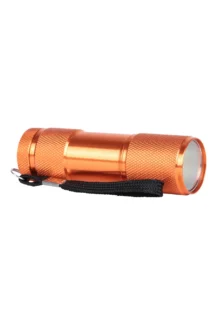
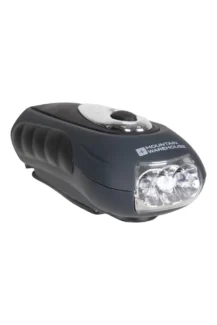
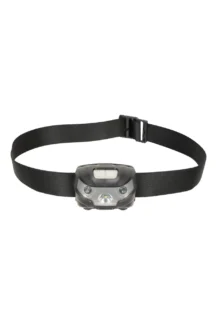
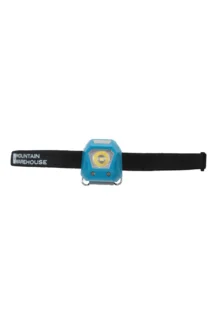
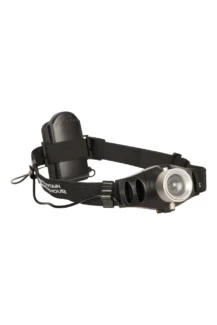
It gets dark quickly once the sun goes down, so a reliable torch is essential for moving around the camp safely.
Hands down (no pun intended) of the most useful bit of kit you can bring.
A head torch is the perfect hands-free alternative for a handheld torch, and it’ll quickly become your best friend for tasks like cooking or setting up your tent in the dark.
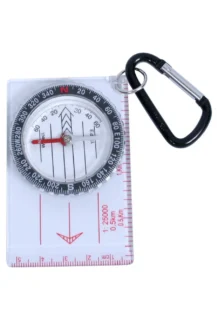
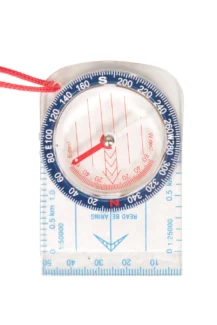
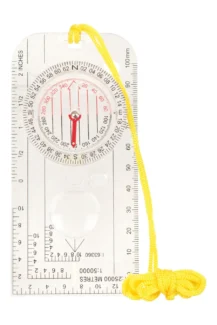
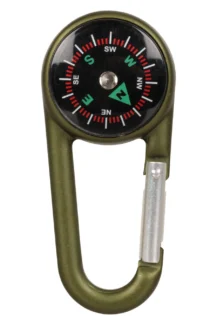
A key navigation tool for all outdoor adventures. Even if you’re following a planned route, it’s important to have reliable navigation equipment on you in case you need to readjust your route.
Weather conditions change often and paths aren’t always clear, which is why a compass could potentially save you a lot of hassle.
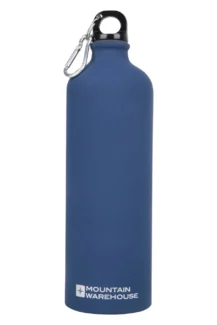
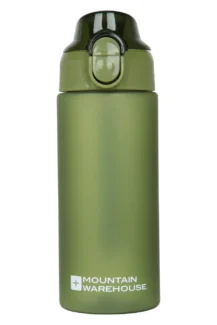
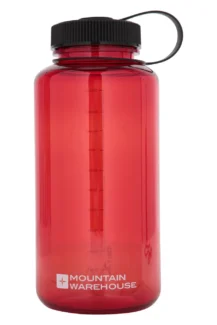
It sounds obvious, but staying hydrated matters more than you might realise, especially when you’re spending long days in the outdoors.
A sturdy water bottle or hydration bladder that fits into the side pocket of your rucksack or is always within reach is one of those things you’ll use constantly without even thinking about it.
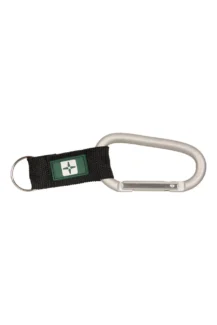
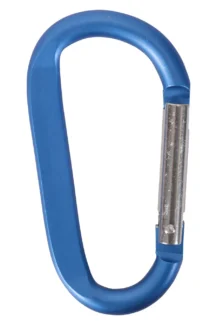
A karabiner is small, but mighty – it allows you to clip items such as water bottles or small gear to your backpack, making them easy to grab while on the go.
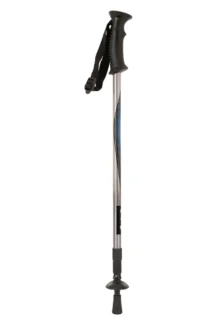
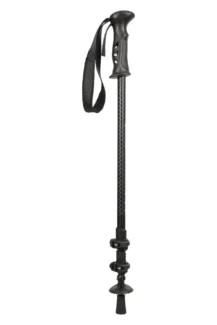
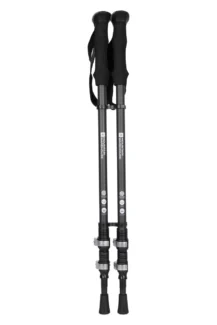
Not everyone uses them, but walking poles can make walking with a backpack much easier, especially on rougher terrain.
They help improve your balance, especially if you’re trekking on uneven ground. They can also reduce strain on your knees when walking downhill.
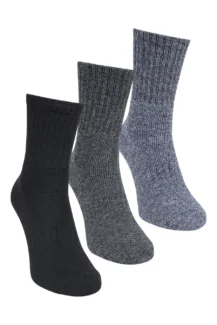
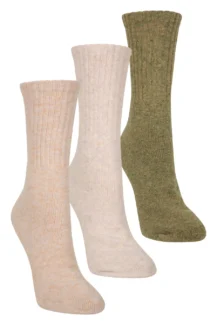
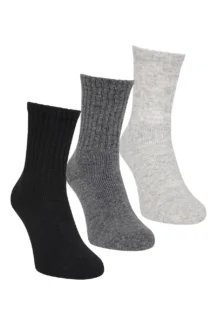
Comfortable hiking socks are just as important as your boots, even if they get less attention. The right pair will provide cushioning, help manage moisture, and reduce the risk of blisters on long walks.
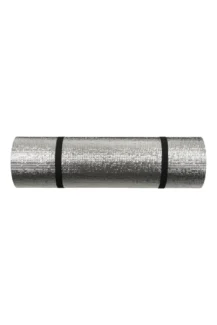
A roll mat provides insulation and cushioning between you and the ground, making sleeping in the tent a more comfortable experience.
Unless you’d like to wake up with a sore back, we’d highly recommend to pack this one.
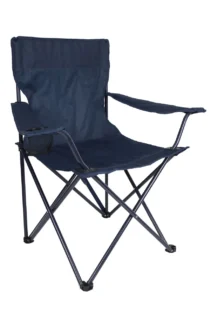
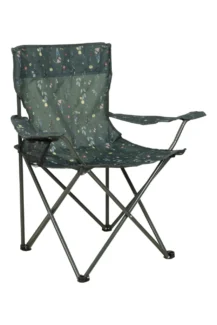
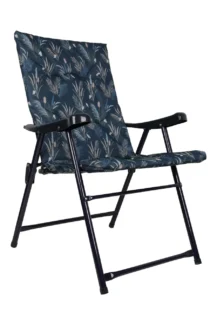
After a long day of on your feet, having somewhere to sit is more of a necessity than a luxury – and a camping chair is lightweight enough to justify the space it takes up.
They secure your tent to the ground and help keep it stable in windy conditions.
Always a good idea to check if you have enough of them before leaving.
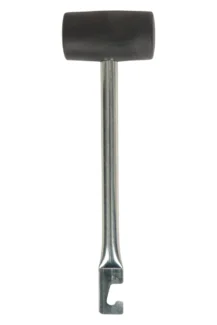
It might be self-explanatory, but a peg puller makes removing tent pegs from hard or wet ground less of an ordeal.
It’s a handy little tool that saves a surprising amount of time and effort.
A sleeping bag liner adds a layer of much-needed warmth for those extra breezy nights and helps keep your sleeping bag clean.

There are plenty of little bits that might make your expedition that little bit more comfortable and safe – spare batteries for torches, mosquito spray, an emergency whistle as well as different clothing and accessories depending on the season.
Pop in to your local Mountain Warehouse store where one of our fantastic team can help prepare you for your next big adventure!